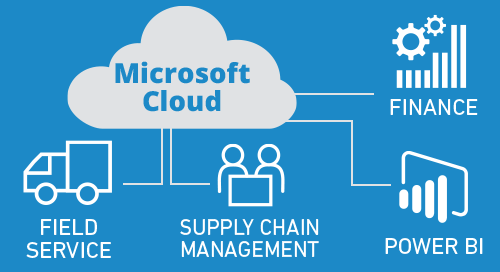



Have you heard about the Enterprise Asset Management (EAM) module for Dynamics 365 Finance and Dynamics 365 Supply Chain Management? Wondering how it can help your business? Here’s an overview of some of the standard functionality so you can get an idea of how it works and how you could use it to expand your asset management capabilities.
Before we get into specific features, let’s cover the difference between fixed asset management and enterprise asset management. Fixed asset management has been around for a long time in Dynamics solutions. This is primarily focused on financial matters related to assets, such as acquisition and depreciation.
The enterprise asset management module, however, allows you to manage assets in a physical sense. This might include things like asset status, how long each asset has been used, previous issues, and any maintenance needed. This is powerful for many organizations and allows you to manage assets completely within a single streamlined system. It gives you a ton of control and visibility over how your assets can be acquired, monitored, and maintained.
Here are some basic features of EAM for setup, maintenance requests, and work orders:
Basic features during setup
This module’s basic setup features allow you to define locations and asset rules in detail making it easy to control and understand where assets are and where they can go. The assets themselves can be set up with data fields including location, asset type, usage, and many more variables that can be configured by users.